Tanzania
A Tapestry of Flavors & Traditions
1,400 to 1,800 meters above sea level
Harvesting season: July- August (N); April – May (S)
Tanzania’s coffee production comprises around 50%-60% Arabica and 40%-50% Robusta, predominantly driven by smallholder farmers. Diverse growing regions offer unique coffee characteristics, including Kilimanjaro, Arusha, Ruvuma, Mbeya, Tanga, and Kigoma. Arabica coffee is primarily farmed in three distinct areas: the slopes of Mount Kilimanjaro, the Southern Highlands, and the Mbeya region.
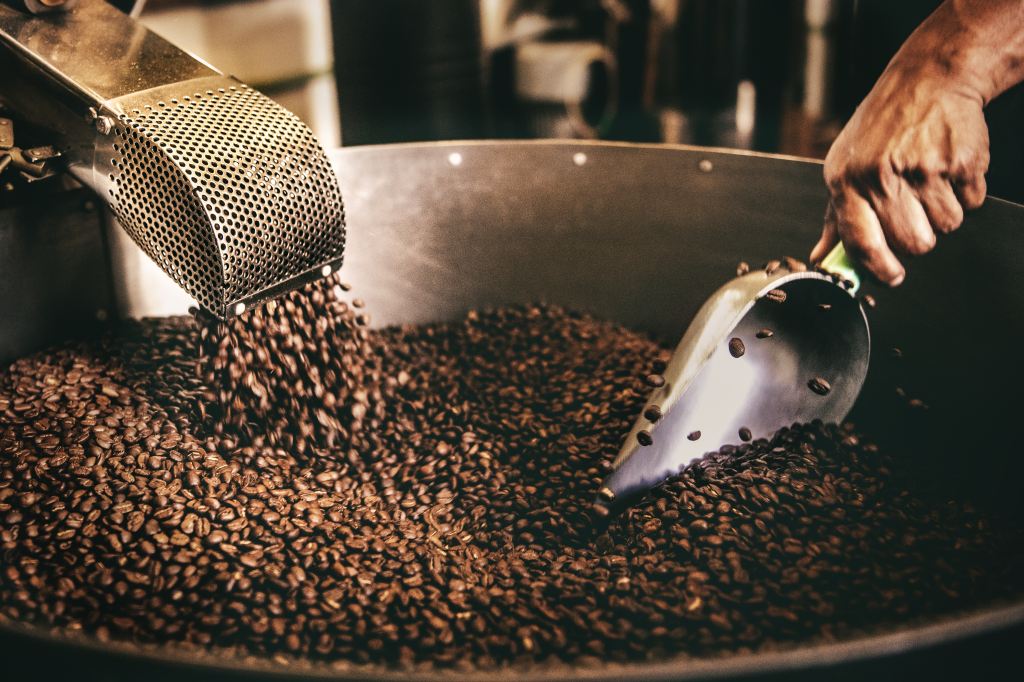
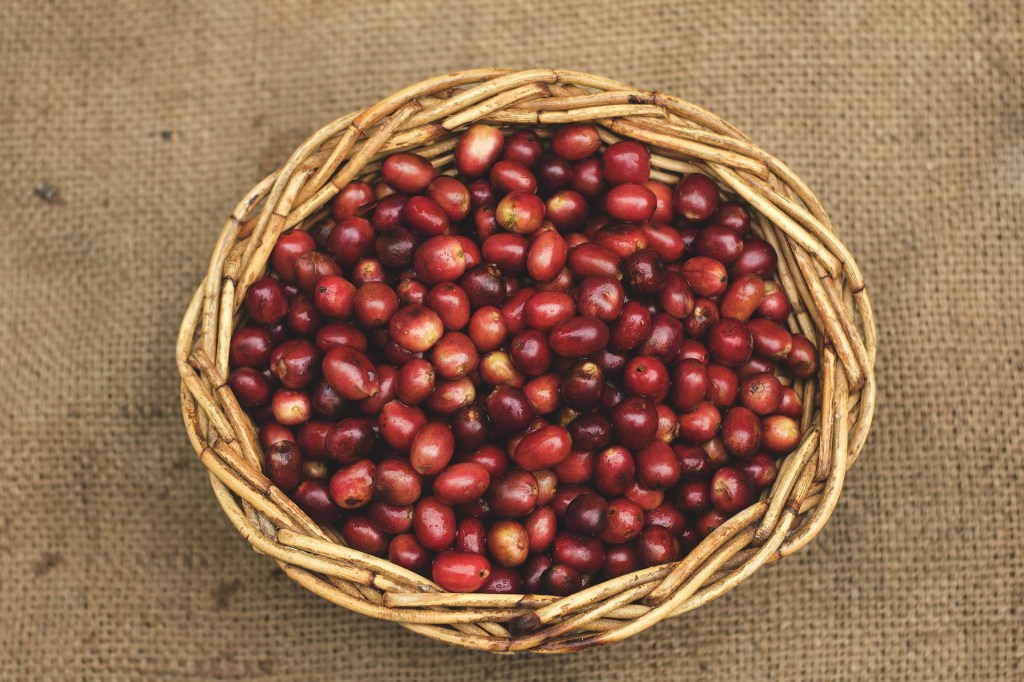
Tanzania’s coffee regions cover an estimated 245,000 hectares and support over 335,000 smallholder farmers.
The climate varies accordingly, with higher-altitude areas experiencing cooler temperatures and more consistent rainfall, while lower-altitude regions may have a slightly warmer and drier climate. Tanzanian coffee is known for its medium body, lively acidity, and flavor profiles encompassing citrus, berry, and chocolate notes. Coffee is usually processed in the fully-washed method.
Coffee arrived in Tanzania during the 16th century and is believed to have come from Ethiopia. Coffee cultivation flourished around 1911 when new Arabica trees were introduced around the Bukoba region when the country was under German rule. The country became independent in 1961, and reforms in the 1990s reshaped the coffee industry, facilitating direct sales from growers to customers and improving efficiency.
Known as “Haya Coffee’ or ‘amwani’ in Tanzania, coffee holds profound cultural and economic significance to the population, who consider the practice of brewing coffee as a ceremonial and cherished tradition of hospitality and social connection.

 mannshacoffee.com