Rwanda
A Volcanic Fruity Symphony
1,200 to 1,800 meters above sea level.
Harvesting season: March – July
Rwanda’s coffee production is strongly influenced by its unique geography. The country’s landscape is defined by towering mountains sharply rising from the surrounding plains. These volcanic soil mountains provide ideal coffee cultivation elevations ranging from 1,200 to 2,000 meters above sea level. This terrain creates an environment that is perfect for coffee cultivation.
One of the unique characteristics of Rwandan coffee is the slower maturation rate of coffee cherries due to the high-altitude regions in which they grow. The extended maturation process contributes to developing intricate flavor profiles within the coffee beans.
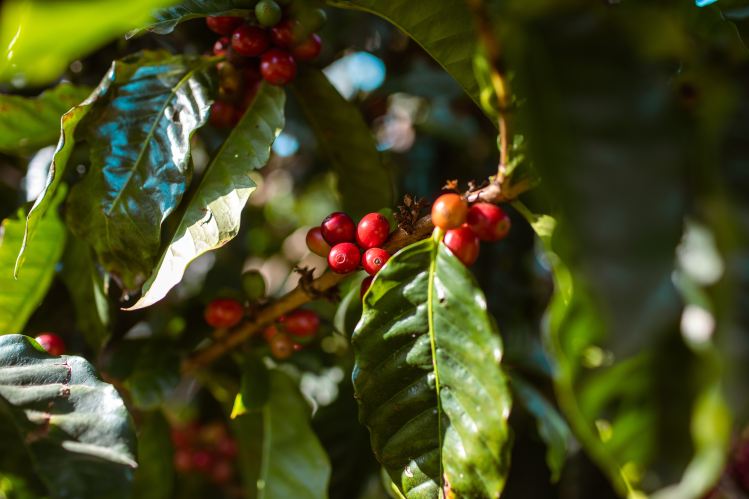
Rwandan coffee is mainly made up of 95% Arabica beans. It has an overall bright and fruity taste profile, with high acidity that gives it a lively and invigorating taste. Hints of floral and citrus notes add depth and complexity to the flavor. The body of this coffee is medium to light, which provides a clean and crisp finish.
The country primarily cultivates Arabica coffee, and its coffee-growing regions include the districts of Huye, Nyamasheke, and Karongi.
Coffee arrived in Rwanda in 1904, but it wasn’t until 1930 that production began significantly. Despite challenges in the early years, coffee became a vital cash crop. In 1994, the Rwandan Genocide caused immense loss and economic upheaval. In the early 2000s, the government revived the coffee industry, prioritizing quality, easing restrictions for farmers, and promoting trade. Efforts included building washing stations and providing training to farmers.

 mannshacoffee.com