Burundi
Hidden Gems of Mountain Coffee
1,400 to 2,000 meters above sea level
Harvesting season: April – July
Burundi is a small, landlocked country in East Africa, nestled under Rwanda and bordering the Democratic Republic of the Congo to the left and Tanzania to the right. With its favorable geography for coffee farming in hills ranging from 1,200 to 2,000 meters above sea level, combined with volcanic soil and equatorial climate, it possesses all the ingredients for exceptional coffee production. Coffee and tea account for 90 percent of Burundi’s foreign exchange earnings.
What sets Burundi apart in the coffee world is its favorable growing conditions and its unique challenges. Despite being a small country, it boasts between 600,000 to 800,000 coffee-growing families, a substantial number considering its population is around 11 million.

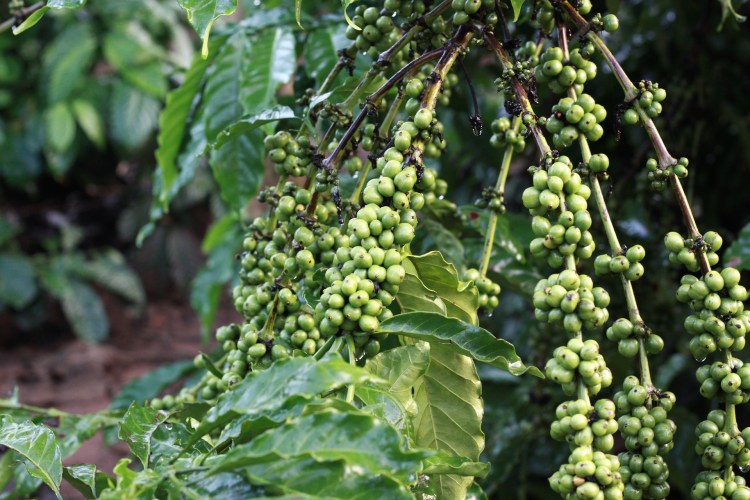
However, the geographical layout of Burundi poses financial and logistical challenges for the coffee industry. Getting coffee to the market involves navigating long distances on often unmaintained roads. The coffee must reach the nearest port even after going to a neighboring country, adding considerable transportation costs.
Coffee was introduced to the country in the 1930s under Belgian rule, mainly as a cash crop for export to Europe. The civil war in the 1990s displaced people from their land, and many coffee plantations were neglected or destroyed.
After the end of the civil war in 2005, and Inspired by neighboring Rwanda’s success in rebuilding through coffee, Burundi began revitalizing the agrarian sector and boosting foreign exchange earnings.
Burundi’s coffee has a complex flavor profile and unique sensory characteristics, with plenty of floral and fruity notes, which often include bright citrus, black tea, and berry-like acidity, creating a balanced, clean, and sweet taste.

 mannshacoffee.com