Brazil
Unveiling the World’s Coffee Champion
700 to 1,800 meters above sea level
Harvesting season: June – October
Brazil is the largest coffee producer in the world, and it is evident that the country’s prominence in the global coffee industry is due to its extensive agricultural land, favorable climate, and expertise in coffee cultivation.
The coffee production in Brazil takes place in several regions, each having unique terroirs that contribute to a range of flavour profiles. Key coffee-producing regions include Minas Gerais, São Paulo, Espírito Santo, and Bahia, to name a few. These regions’ variations in terroir result in high-quality and consistent coffee that caters to a broad spectrum of tastes and preferences among coffee enthusiasts worldwide.
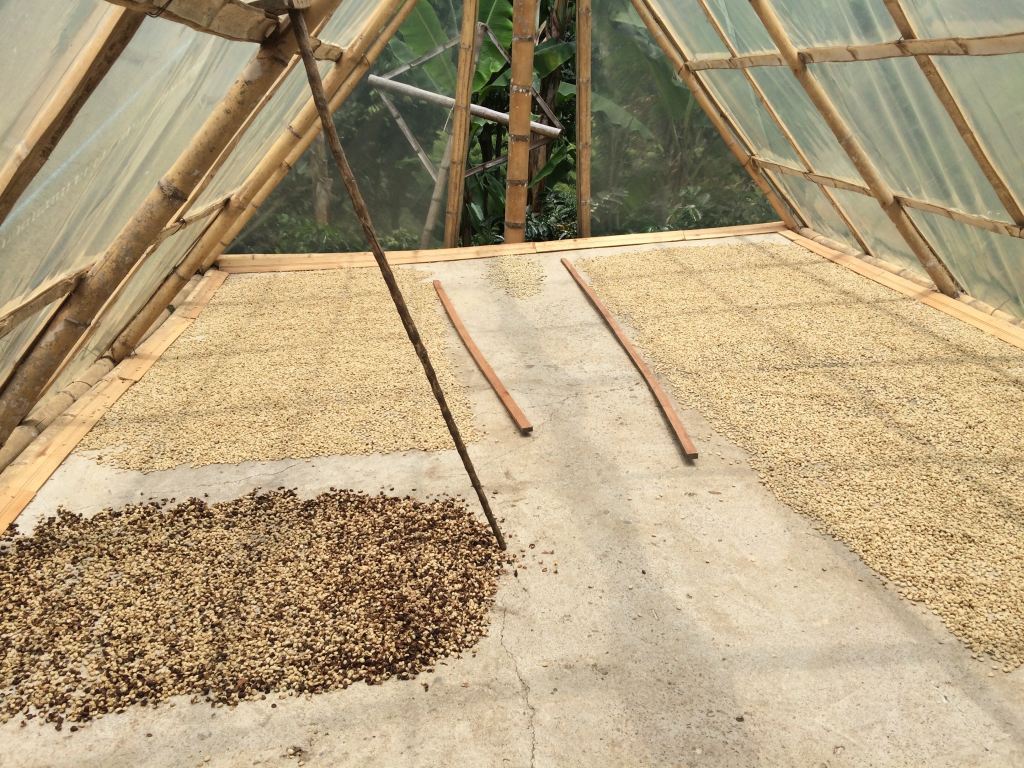

Brazil’s coffee production supplies around a third of the world’s coffee, and the country has over two million hectares of land dedicated to coffee cultivation, with yearly yields averaging 43 million bags of coffee, with at least 70% being Arabica. Brazilian coffee farms range from small family-run plantations of less than ten hectares to large estates exceeding 2,000 hectares.
One unique advantage of many Brazilian coffee-growing regions is the flat terrain, which allows for large, uninterrupted plots of land to be devoted to coffee farming, enabling various aspects of the production process, like mechanized harvesting and irrigation.
The most common Arabica coffee varietals in Brazil include Bourbon, Catuaí, Acaiá, and Mundo Novo, with the latter being the most popular. Within these primary varietals, a spectrum of sub-varieties exists, including Yellow and Red Bourbon, Yellow and Red Catuaí, and different types of Mundo Novo, adding to the richness and diversity of Brazil’s coffee offerings.

 mannshacoffee.com